

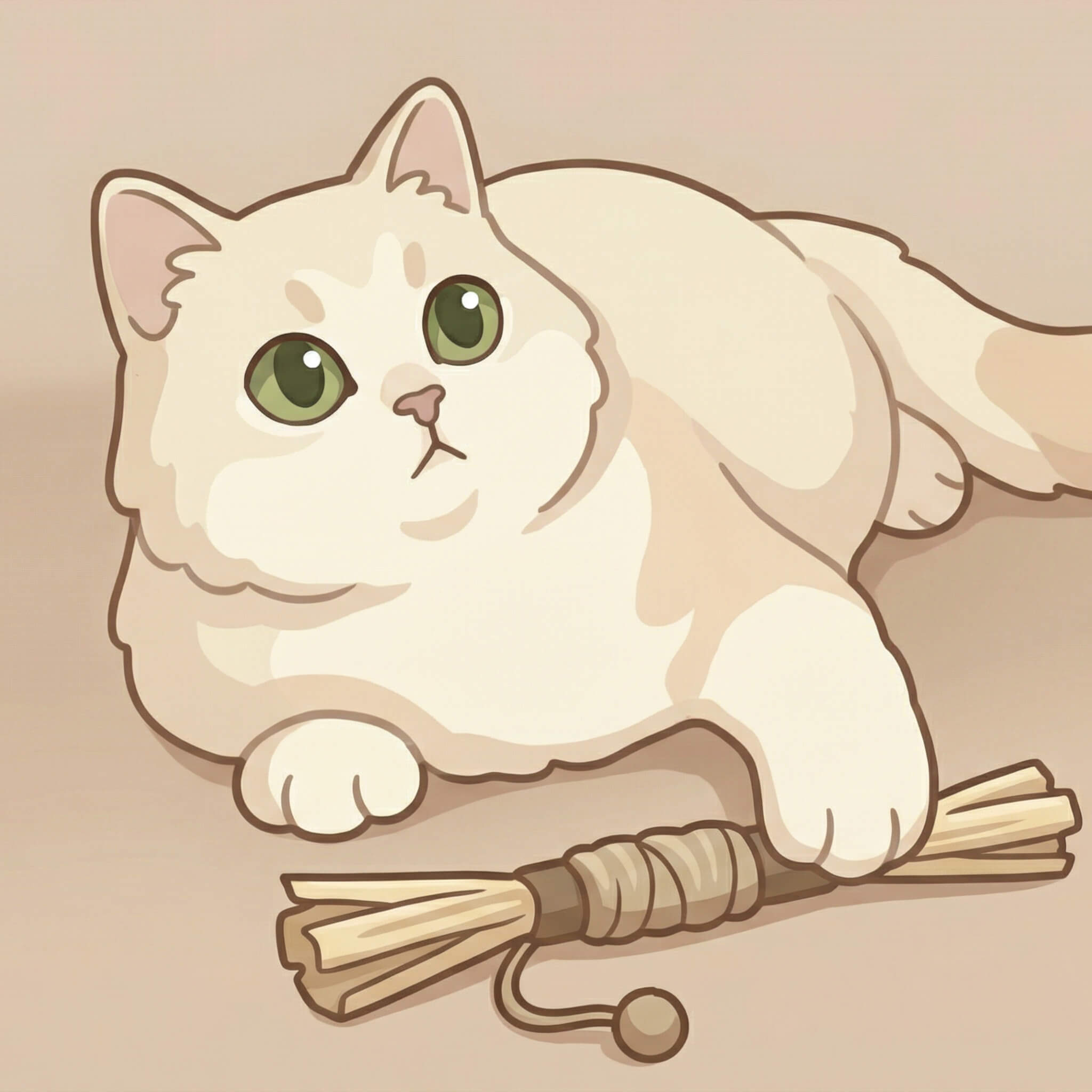
Silvervine is what happens when nature decides your cat deserves a tiny, legal rave… supervised by you, obviously. Known as matatabi in Japan, silvervine (Actinidia polygama) is a plant that can trigger that classic “catnip reaction”: sniff → lick → rub → roll → blissed-out goblin behavior → sudden dignity recovery.

And here’s the useful part: a larger share of cats respond to silvervine than to catnip, which makes it a popular option for picky felines who treat catnip like it’s yesterday’s kibble. If you’re the type of human who likes enrichment that’s simple, cheap, and doesn’t require a subscription, keep reading. Also, if you’re shopping for unique gifts for cat lovers, I’m not stopping you. I’m just watching.
Quick note: This article is informational and not a replacement for veterinary advice—especially if your cat has asthma, severe anxiety, is on medication, or is recovering from surgery.
What Is Silvervine (Matatabi)?
Silvervine is a plant native to parts of East Asia. For cat enrichment, it’s typically sold in a few forms:
- Powder (often made from dried silvervine “fruit galls” or plant material)
- Chew sticks (silvervine wood, sometimes with a textured outer layer)
- Sprays (silvervine extract for toys/scratchers)
- Infused toys (stuffed or coated with silvervine/catnip blends)
The “magic” comes from plant chemicals called iridoids. These are aromatic compounds that many cats find extremely compelling. It’s similar to catnip, but silvervine contains multiple active compounds rather than mostly one main star.
Why Do Cats React to Silvervine?
The silvervine reaction isn’t your cat “being weird for no reason.” It’s a real, measurable behavioral response: rubbing the face and body, rolling, licking/chewing, sometimes zoomies, sometimes blissful loafing.
Scientists have found that the rubbing/rolling behavior likely helps cats transfer plant iridoids onto their fur, where those chemicals can repel mosquitoes. Yes—your cat may be self-applying a botanical bug spray like a tiny, furry pharmacist with no license and unlimited confidence.
Silvervine Effects in Cats: What You’ll Typically See
Most cats who respond will show a “catnip-like” pattern, often with a slightly stronger or more enthusiastic vibe:
- Sniffing and licking (intense investigation, as if the toy owes them money)
- Cheek rubbing and head pressing (scent gland party)
- Rolling and wriggling (dramatic floor choreography)
- Play bursts (pouncing, bunny-kicking toys)
- Post-party calm (grooming, lounging, nap negotiation)
Some cats get energetic. Some get mellow. Some act like they’re auditioning for a soap opera. All normal. If your cat becomes briefly overexcited (grabbing hands, biting, wrestling your ankles), switch to toy-only interaction and keep fingers out of negotiations.
How Long Does Silvervine Last? Timing and “Refractory” Breaks
Silvervine’s active phase is typically short—think minutes, not hours. After that, many cats enter a “refractory period,” where they’re temporarily less responsive to more silvervine/catnip stimulation. That’s nature’s built-in moderation system. (If only it worked on humans and snacks.)
Practical takeaway:
- Plan short sessions (great before playtime or a nail trim “apology treat”)
- Put it away afterward to keep it novel
- Don’t keep reapplying in the same hour expecting “more results”
Silvervine Dosage: How Much Should You Use?
There isn’t one universal, veterinarian-standard “dose” for every product type, because silvervine potency varies by source and form. So the smart approach is: start small, watch your cat, and adjust.
| Form | Starter amount | How to use it | Pro tip |
|---|---|---|---|
| Powder | A small pinch | Sprinkle on a toy, scratcher, or mat | Less is more—too much can reduce novelty |
| Chew sticks | 1 stick | Offer during supervised play | If your cat chews aggressively, limit time and inspect the stick |
| Spray | 1–3 light spritzes | Apply to toys/scratchers (not directly into face) | Let it dry briefly; avoid saturating fabric |
| Infused toys | One toy session | Rotate toys to keep interest high | Store in a sealed bag/container |
If your cat is new to silvervine, treat the first session like a taste test. Offer it when your cat is calm and curious, not mid-chaos. And please don’t dump half a jar on the carpet and call it “enrichment.” That’s called “cleaning,” and you will lose.
How Often Can You Give Silvervine?
Most guidance for home use lands on: occasionally, not constantly. The goal is enrichment, not wallpaper. A common rhythm is every few days, or a couple times per week, depending on your cat’s interest.
- If your cat loses interest quickly, use it less often and store it sealed.
- If your cat gets overly hyped, use smaller amounts and pair it with structured play (wand toys, kicker toys).
- If you have multiple cats, consider separate stations to avoid resource guarding.
Is Silvervine Safe for Cats?
For most cats, silvervine is considered non-toxic and used safely as enrichment. Research looking at repeated exposure has found no signs consistent with dependence, and no increases in common blood indicators associated with stress or liver/kidney injury in the studied cats.
That said, “safe” doesn’t mean “use it like confetti.” Use basic common sense:
- Supervise chew sticks (especially power-chewers)
- Use small amounts (powder/spray)
- Stop if your cat drools excessively, vomits, or seems distressed
- Avoid in cats with respiratory sensitivity if powders trigger sneezing/coughing
If your cat has a medical condition or you’re unsure, ask your veterinarian—because I’m a cat with opinions, not your clinic.
Silvervine vs Catnip: What’s the Difference?
Let’s settle the household debate: silvervine and catnip are related in effect, not in plant identity. Catnip is Nepeta cataria (mint family). Silvervine is Actinidia polygama (kiwifruit-ish relatives). Both can trigger the feline “euphoric” response—but they don’t do it the exact same way.
1) More cats tend to respond to silvervine
Studies have reported that roughly around 2/3 of cats respond to catnip, while around 4/5 respond to silvervine. Even more interesting: among cats that don’t respond to catnip, a large portion may still respond to silvervine. Translation: silvervine is often the “Plan B” that actually works.
2) Silvervine can be “stronger” or more complex
Catnip’s best-known active compound is nepetalactone. Silvervine contains multiple iridoids, which may help explain why some cats react more intensely or more consistently to it. Some cats also switch from “wild” to “zen” after the initial reaction, like they’ve achieved enlightenment in a laundry basket.
3) Duration is similarly short
Both catnip and silvervine are typically short-lived—often minutes—followed by a refractory period where the cat is temporarily less responsive. So no, you can’t schedule a 3-hour “catnip concert.” Your cat will leave early and blame the venue.
Which should you choose?
- Choose catnip if your cat already loves it and you want a familiar classic.
- Choose silvervine if catnip gets ignored, or you want to rotate enrichment scents.
- Choose a blend if you have multiple cats with mixed preferences.
Best Time to Use Silvervine: Timing That Actually Helps
Silvervine is most useful when it supports something you’re already trying to do:
- Before interactive play to spark interest (then grab the wand toy)
- During enrichment rotations (new scent + old toy = renewed obsession)
- For scratcher training (light sprinkle to redirect scratching)
- After a stressful event (carrier time, vet visit) if your cat finds it soothing
Avoid using it right before feeding if your cat gets too amped and forgets how bowls work. Also avoid right before bedtime if your cat’s reaction is “parkour.” Unless you enjoy being launched awake at 3:11 AM. Some humans do. I don’t understand you.
Natural Alternatives to Silvervine (When You Want Variety)
Cats can habituate to the same scent over time. Rotating plant-based enrichers keeps the response fresh. Here are well-known alternatives that can trigger similar behaviors in some cats:
- Catnip (Nepeta cataria) — the celebrity option
- Tatarian honeysuckle (Lonicera tatarica) — often used as wood chips or sticks
- Valerian root (Valeriana officinalis) — some cats love it; it can smell… intense
Different cats prefer different plants. Your cat’s preference is not a moral statement. It’s just genetics and vibes.
If you’re building an enrichment stash (toys, scratchers, rotation bins) and also happen to be browsing gifts for cat dads or cat gifts for mum, I approve. Quietly. From the top of the sofa.
How to Use Silvervine Without Turning Your Home Into Chaos
Here’s the clean, practical routine that works for most households:
- Step 1: Pick a controlled area (mat, scratcher zone, washable blanket).
- Step 2: Use a tiny amount of silvervine (or offer one stick/toy).
- Step 3: Let the reaction happen. No face-contact, no forcing.
- Step 4: Transition into structured play (wand toy, kicker, puzzle feeder).
- Step 5: Put the silvervine item away after 10–20 minutes.
If you have multiple cats, use multiple stations. Otherwise, the confident one will monopolize the fun and the shy one will file a complaint with management (you).
When to Avoid Silvervine (or Use Extra Caution)
- Post-surgery or injury: rolling and head-rubbing can be a bad combo
- Highly aggressive play response: keep it toy-only, reduce dose, or pause
- Asthma/respiratory sensitivity: avoid powders, use toys or sticks instead
- Multi-cat tension: offer separately to prevent conflict
Also: kittens often don’t respond much to catnip-like plants until they’re older. If your kitten ignores everything, they’re not “broken.” They’re just busy being a baby menace.
FAQ: Silvervine for Cats
Can silvervine calm cats down?
It can, after the initial excitement—many cats settle into grooming and resting. But some cats get energized instead. If you want calm, pair silvervine with a predictable routine: short stimulation → structured play → snack → nap.
Can cats eat silvervine?
Many silvervine products are designed for licking/chewing (sticks, powders on toys). Don’t treat it like a dietary supplement, though. It’s enrichment. If your cat eats large amounts or vomits, stop and contact your vet.
Why does my cat ignore silvervine?
Not all cats respond to every plant. Try a different form (powder vs stick), try a different brand, or rotate to catnip/valerian/honeysuckle. Also try timing: offer when your cat is relaxed and curious, not distracted.
Is silvervine better than catnip?
“Better” depends on the cat. Silvervine tends to have a higher response rate overall, but a catnip-loving cat may still prefer catnip. The best enrichment is the one your cat actually uses.
Bottom Line: How to Make Silvervine Work for Your Cat
Silvervine is a practical, evidence-backed enrichment option that many cats respond to—often even cats who ignore catnip. Use small amounts, keep sessions short, rotate enrichers, and store products sealed so the scent doesn’t fade into sadness.
And when your cat does the silvervine roll—eyes half closed, cheeks pressed into the floor like they’ve discovered the meaning of life— remember: you’re witnessing ancient feline science in action. Or a drama performance. Possibly both.
If you’re curating your home’s “cat culture corner,” sure, add silvervine. And if you’re also hunting cool gifts cat lovers or christmas gifts cat lovers, keep your standards high. Cats notice everything.


