

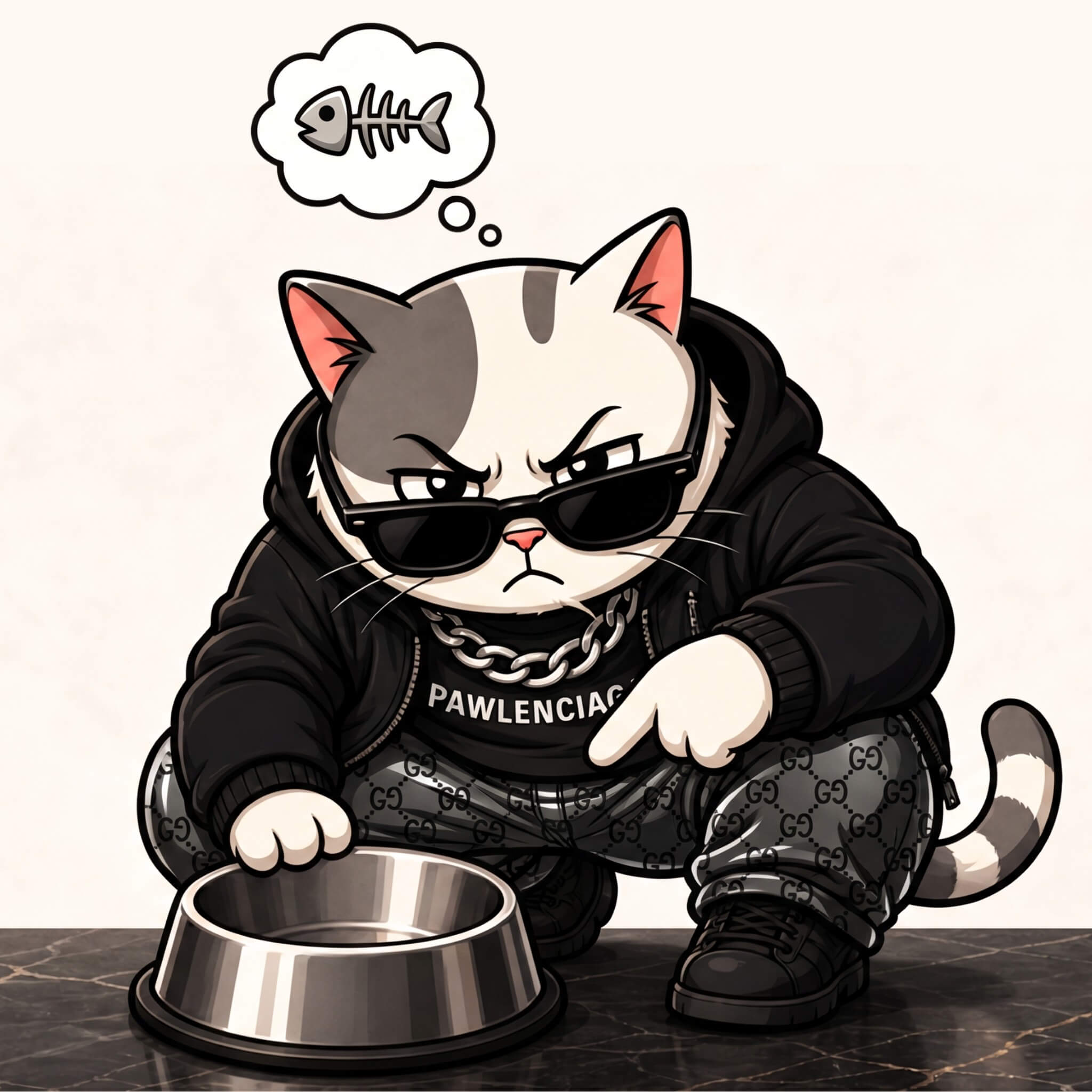

Is Your Cat’s Hunger Normal or a Warning Sign?
If your cat acts like the food bowl is a constitutional right, pause before you simply add more food. Some cats beg because they are bored, under-stimulated, on a low-satiety diet, or used to getting treats on demand. Others are hungry because something medical is changing how their body uses food.
This guide helps you separate normal cat hunger from warning signs. You will learn when food begging is probably behavioral, when to check calories and weight, when pregnancy may explain a bigger appetite, and when symptoms like weight loss, thirst, vomiting, diarrhea, or sudden appetite changes should send you to the vet.
Quick Answer: When Is a Hungry Cat a Problem?
A hungry cat is more concerning when the appetite change is sudden, intense, or paired with weight loss, increased thirst, bigger urine clumps, vomiting, diarrhea, poor coat condition, restlessness, weakness, or behavior that feels abnormal. Hunger with weight loss is especially important because it can point to conditions such as hyperthyroidism, diabetes, intestinal disease, parasites, or other illness.
Normal Hunger vs Food Obsession

Cats are pattern learners. If food arrives every morning at 7, many cats start asking at 6:45. If meowing earns snacks, they learn that meowing works. That kind of hunger can be annoying, but it is not automatically a medical emergency.
Predictable meal-time begging
Your cat asks near normal feeding times, keeps a stable weight, drinks normally, uses the litter box normally, and acts like herself between meals.
Hunger that changes suddenly
The appetite spike is new, intense, or paired with weight change, thirst, vomiting, diarrhea, restlessness, or stealing food in a way that feels out of character.
Hungry but losing weight
A cat who eats more but loses weight should be checked by a vet. This pattern is common in several important medical conditions.
| Probably normal | Call your vet |
|---|---|
| Begging happens near regular meal times. | The appetite increase is sudden or intense. |
| Your cat settles after eating. | Your cat eats more but loses weight. |
| Weight, thirst, litter box habits, and energy are stable. | Your cat drinks more, pees more, vomits, has diarrhea, or seems weak. |
| Begging is linked to treats, routine, or boredom. | An older cat becomes newly food-obsessed or restless. |
12 Reasons Your Cat Is Always Hungry
Look at the whole pattern, not just the begging. Weight, thirst, litter box changes, age, reproductive status, diet, and behavior all help narrow the reason.

-
1
Normal pattern
Your cat has learned the meal routine
Clear signal: your cat asks around predictable feeding times and settles after eating.
This is often normal. Cats quickly learn schedules, sounds, and human routines. If the body weight is stable and no other symptoms are present, the issue may be expectation rather than true hunger.
-
 2
2Behavior clue
Boredom is being mistaken for hunger
Clear signal: your cat begs most when nothing else is happening.
Some cats ask for food because food is the most reliable entertainment in the house. This is common in indoor cats with limited play, hunting outlets, climbing spaces, or puzzle feeding.
-
 3
3Feeding check
The daily calories are too low or poorly timed
Clear signal: your cat is especially hungry after long gaps between meals or after a recent diet change.
Portion size, food calorie density, age, activity, and body condition all matter. A cat can seem starving if meals are too far apart, too small, or not filling enough.
-
 4
4Diet factor
The food may not keep your cat satisfied
Clear signal: your cat eats a full portion but acts hungry again quickly.
Some foods are more calorie-dense than filling. Others may not match your cat’s needs. Wet food, higher protein, fiber, and measured meals can help some cats feel more satisfied, but diet changes should be gradual.
-
 5
5Habit loop
Treats have trained the begging
Clear signal: your cat begs more from the person who gives the most treats.
Cats learn fast. If begging gets food, begging becomes a strategy. This can happen even when the cat is not underfed.
-
 6
6Multi-cat clue
Food stealing or food guarding is confusing the picture
Clear signal: one cat eats fast, pushes another cat away, or steals from bowls.
In multi-cat homes, one cat may be overeating while another is undereating. A cat can appear constantly hungry because meals are competitive or stressful.
-
 7
7Unspayed female
Your cat may be pregnant
Clear signal: an unspayed female had access to an intact male, heat cycles stopped, and appetite increased around mid-pregnancy.
Pregnancy can increase appetite as kittens grow, especially after the early weeks. It should fit the broader pregnancy timeline rather than appearing as one isolated sign.
-
 8
8Life stage
Your kitten or young cat is still growing
Clear signal: a young cat is active, gaining appropriately, and still developing.
Kittens and adolescents need more energy than adult cats. Hunger can be normal if growth, body condition, stool, hydration, and energy all look healthy.
-
 9
9Medical possibility
Intestinal parasites may be stealing nutrition
Clear signal: hunger appears with weight loss, diarrhea, vomiting, poor coat, bloated belly, visible worms, or outdoor hunting exposure.
Parasites do not always cause obvious signs, but they can affect digestion and body condition. Kittens, outdoor cats, and cats exposed to fleas or prey are at higher risk.
-
 10
10Older cat red flag
Hyperthyroidism can make cats ravenous
Clear signal: an older cat eats more but loses weight, acts restless, drinks more, urinates more, vomits, or seems unusually active.
Hyperthyroidism is a common endocrine disease in older cats. Cornell Feline Health Center lists weight loss and increased appetite among the most common signs.
-
 11
11Hunger + thirst
Diabetes can cause hunger, thirst, urination, and weight loss
Clear signal: your cat is hungrier, drinking more, peeing more, losing weight, or filling the litter box with larger urine clumps.
Feline diabetes commonly shows up at home as increased thirst and urination, often with weight loss despite a good appetite.
-
 12
12Digestive warning
Digestive disease can make food less useful
Clear signal: hunger appears with vomiting, diarrhea, greasy stool, weight loss, poor coat, or appetite that swings up and down.
Some cats eat more because they are not absorbing nutrients well. Intestinal inflammation, pancreatic issues, parasites, and other digestive problems can all affect appetite and weight.
Warning Signs: When Hunger Needs a Vet

Call your vet if your cat’s appetite suddenly increases and you notice any of these signs:
High-priority signs
- Eating more but losing weight
- Drinking more water than usual
- Larger or more frequent urine clumps
- Vomiting, diarrhea, or stool changes
- Restlessness, panting, weakness, or collapse
Also worth checking
- New food obsession in an older cat
- Stealing food aggressively
- Poor coat condition or muscle loss
- Unspayed female with possible mating
- Sudden behavior change around food
Before You Feed More, Check Calories and Weight

If your cat is healthy but constantly begging, the next step is not guessing. Check daily calories, body condition, treats, activity level, and weight trend. A cat gaining weight while begging usually needs a better feeding plan, not unlimited food. A cat losing weight while begging needs a vet.
Estimate calories
Use the Cat Calorie Calculator to get a practical starting point based on weight, age, body condition, and activity.
Check body condition
Use the Cat Weight Calculator to understand whether your cat is underweight, ideal, or overweight.
Track the trend
Weigh weekly if your cat tolerates it. Appetite plus weight trend tells a clearer story than appetite alone.
What a Vet May Test When a Cat Is Always Hungry

If the hunger looks abnormal, your vet may ask about food amount, food type, treats, medications, stool, vomiting, thirst, urination, weight history, and behavior. Common tests can include a physical exam, weight/body condition scoring, bloodwork, urinalysis, thyroid testing, and fecal testing for parasites.
Feeding Setup: Make Hunger Patterns Easier to Track
If your cat is always begging for food, the bowl will not diagnose the cause. But the feeding setup can make daily hunger easier to read. A clean bowl, measured portions, a steady feeding place, and a mat that catches spills all help you see what is actually happening: how much your cat ate, whether water intake changed, whether food is being pushed around, and whether one cat is stealing from another. That makes the setup useful for observation, not just aesthetics.
Stainless steel is often recommended for pet bowls because it is durable, easy to clean, dishwasher safe, and less likely to hold bacteria in scratches compared with plastic. Plastic bowls can scratch and may contribute to chin irritation or feline acne in some cats, especially when food oils and bacteria build up around the rim. If your cat has chin blackheads, redness, swelling, or sores, treat that as a vet question rather than just a bowl question.
Use a clean, stable bowl
A stainless steel bowl is a practical everyday choice for cats who eat wet food, dry food, or both. Look for a bowl that is easy to wash, does not slide around, and is comfortable for your cat to eat from.
Keep the feeding area readable
A feeding mat helps catch crumbs, splashes, and pushed-out food. That makes it easier to notice whether your cat is eating normally, leaving food behind, drinking more, or turning every meal into a tiny crime scene worthy of a tiny investigation.
Make portions consistent
Use the same bowl and feeding area each day, measure meals, and track changes. Consistency makes it easier to tell normal begging from a real appetite change.
Related Cat Calculators

These tools help you turn “my cat is always hungry” into a clearer next step.
Always Hungry Cat FAQs

Why is my cat always hungry but not gaining weight?
A cat who eats more but does not gain weight, or loses weight, should be checked by a vet. Possible causes include hyperthyroidism, diabetes, intestinal parasites, digestive disease, and other medical problems.
Why is my cat always hungry and meowing?
Meowing can be learned begging behavior, but it can also happen when a cat is truly hungry, anxious, in pain, or experiencing a medical change. Look for weight loss, thirst, urination, vomiting, diarrhea, or sudden behavior change.
Should I just feed my cat more?
Not automatically. First check calories, weight trend, treats, activity, and food stealing. If your cat is losing weight, drinking more, vomiting, or acting abnormal, call your vet before increasing food.
Can pregnancy make a cat always hungry?
Pregnancy can increase appetite, especially from mid-pregnancy onward. It is more likely if your unspayed cat had access to an intact male and also shows pregnancy signs such as stopped heat cycles, nipple changes, belly rounding, and nesting.
What is the biggest warning sign?
The biggest warning pattern is increased hunger with weight loss. Hunger plus increased thirst and urination is also important because it can point to diabetes or other medical issues.
Why is my older cat always hungry?
In older cats, a new increase in appetite should be taken seriously, especially if the cat is losing weight, drinking more, peeing more, vomiting, or acting restless. Hyperthyroidism and diabetes are two common medical reasons vets may want to rule out.
Why is my cat always hungry after eating?
Your cat may be begging out of habit, boredom, food competition, or because the meal is not satisfying enough. But if hunger after eating comes with weight loss, thirst, vomiting, diarrhea, or a sudden behavior change, it is a vet question.
Can worms make a cat hungry all the time?
Intestinal parasites can contribute to hunger, weight loss, poor coat condition, vomiting, diarrhea, or a bloated belly. Your vet can check a stool sample and recommend the right deworming treatment.
Is my cat hungry or just begging?
Begging is more likely behavioral when it happens at predictable times, your cat keeps a stable weight, and there are no changes in thirst, litter box habits, stool, coat, or energy. True hunger becomes more concerning when the pattern is new, intense, or paired with physical symptoms.
How This Guide Was Built
This Cat School guide was written to help cat owners understand common appetite patterns and recognize when increased hunger may need veterinary attention. It uses veterinary references for conditions such as hyperthyroidism, diabetes, increased appetite testing, and intestinal parasites.
Last updated: June 2026. Review your cat’s symptoms with a licensed veterinarian if the appetite change is sudden, severe, or paired with weight loss, thirst, urination changes, vomiting, diarrhea, weakness, or abnormal behavior.
Sources and Further Reading
- PetMD - Why Is My Cat Always Hungry?
- Cornell Feline Health Center - Hyperthyroidism in Cats
- Cornell Feline Health Center - Feline Diabetes
- VCA Hospitals - Testing for Increased Appetite
- Merck Veterinary Manual - Gastrointestinal Parasites of Cats
- Battery Park Veterinary Hospital - Ceramic, Plastic, or Stainless Steel Bowls
- All Feline Hospital - Chin Acne


