

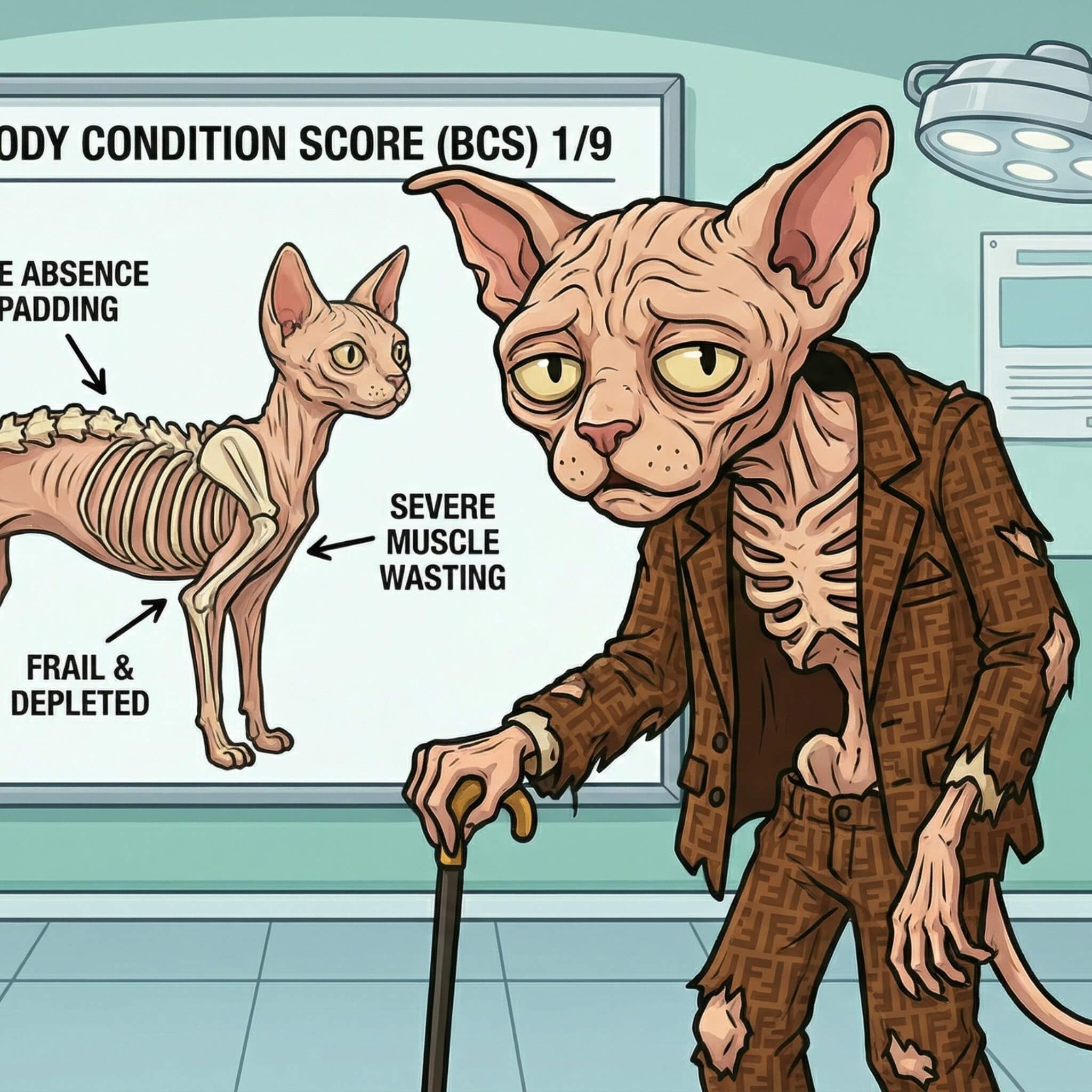

How to Help a Skinny Cat Gain Weight Safely: Causes, Red Flags, and What Actually Helps
If you searched for how to help a skinny cat gain weight, underweight cat, why is my cat losing weight, or how to make a cat gain weight safely, the first thing to know is this: not every slim cat is unhealthy, and not every thin-looking cat simply needs more food. Some cats are naturally lean. Others are losing body fat, muscle, or both because of appetite problems, stress, feeding competition, dental pain, digestive disease, hyperthyroidism, kidney disease, diabetes, or another medical issue.
This guide is designed to be more useful than vague advice like “just feed more.” It explains how to tell the difference between a naturally slender cat and a cat that may be underweight, what can cause unexpected weight loss, which feeding changes actually help, which “secret tricks” are worth trying, and when it is smarter to stop troubleshooting at home and speak to a veterinarian. If you want to check the number first, use the Cat Weight Calculator. If you want feeding direction after that, open the Cat Calorie Calculator.
Quick jump: Slim vs underweight · Common causes · Verified tips and tricks · Feeding strategies · When to call a vet · FAQs · Sources
Is Your Cat Naturally Slim or Actually Underweight?

A lot of owners worry because their cat looks elegant, narrow, or lightly built compared with chunkier house cats they see online. That alone does not prove a problem. Oriental-type cats, fine-framed cats, active young adults, and some naturally lean mixed-breed cats can sit lower on the scale and still be completely healthy. A good answer does not come from one photo or one random “average cat weight” chart. It comes from body condition, muscle condition, appetite, energy, stool quality, and weight trend over time.
The most useful first question is not “Does my cat look skinny?” but “Does my cat look proportionate for its frame, or am I seeing loss of fat, loss of muscle, or a downward trend?” That is why the Cat Weight Calculator works best when you treat it as a screening tool, not as the whole diagnosis.
Signs a cat may be naturally lean but still healthy
- Waist is visible, but the body still looks balanced and athletic
- Muscle over the shoulders, back, and thighs looks preserved
- Appetite is stable and food interest is normal
- Coat quality and grooming stay good
- Weight is broadly stable on repeat check-ins
- Energy, play, and normal behavior are unchanged
Signs a cat may be underweight or losing condition
- Spine, hips, or ribs are becoming too obvious
- Weight is drifting down over time
- The back end looks less muscular than before
- Appetite is reduced, inconsistent, or oddly fussy
- Energy, grooming, or coat quality are slipping
- The cat is eating but still getting lighter
Why the scale alone can mislead
Two cats can weigh the same and still be in very different condition. One may be lean and well-muscled. Another may have lost muscle and body reserves. That is why body condition score and muscle condition matter. A cat can look “not terrible” on the scale while still losing useful lean mass, especially in older cats. Use the number, but always interpret it together with what you see and feel.
What to Look for in Body Condition and Muscle Condition

A healthy cat is usually not judged by a single exact number. Body Condition Score helps answer whether a cat is too thin, appropriate, or carrying too much fat. In simple terms, a cat in ideal condition should usually have ribs that are easy to feel under a light fat covering, a visible waist behind the ribs when viewed from above, and a mild abdominal tuck from the side. Muscle condition adds another layer: is the cat keeping healthy lean tissue over the spine, shoulders, and thighs, or is that fading?
From above
Look for a visible waist behind the ribs. A cat that is only naturally slim usually still looks balanced. A cat that is underweight often looks too narrow through the hips and back end.
From the side
A healthy cat often has a slight abdominal tuck. A too-thin cat may show a sharper tuck with more prominent bony landmarks and less body reserve.
With your hands
You should be able to feel ribs without pressing hard, but they should not feel completely uncovered. If the spine, hips, and ribs are all becoming very obvious, underconditioning becomes more likely.
Muscle check
Pay special attention to the top line of the back, shoulder area, and thighs. In senior cats especially, loss of muscle can be a more important warning sign than the scale by itself.
Common Reasons a Cat Is Too Thin or Losing Weight

“My cat is skinny” can mean several completely different things. Sometimes the cat has always been slight and nothing dangerous is happening. Sometimes the cat is eating too little. Sometimes the cat wants to eat but has dental pain, nausea, stress, or feeding competition. Sometimes the cat is eating but still losing weight because of a medical disorder. That is why the cause matters more than any one feeding hack.
Medical causes worth knowing
Weight loss in cats can be linked to kidney disease, diabetes, hyperthyroidism, gastrointestinal disease, dental disease, parasites, inflammation, chronic pain, and other disorders. One classic red flag is a cat who eats well or even seems hungrier than usual but still loses weight. Another is a senior cat whose body seems to “melt down” gradually over months.
Appetite and nausea problems
Some cats are not truly picky. They simply feel unwell. Dental pain, nausea, stomach upset, constipation, kidney disease, and other problems can make eating uncomfortable. A cat may approach food, sniff it, and back away. That is not a personality quirk until illness has been considered.
Stress and household competition
In multi-cat homes, thin cats are often not failing because food is unavailable. They are failing because food is not available safely. Feeding pressure, social tension, bowl guarding, noise, children, dogs, and stressful locations can all reduce intake.
Feeding setup problems
Sometimes the issue is surprisingly practical: one or two oversized meals, stale dry food left out all day, bowls that bother the whiskers, cold wet food with weak aroma, or a diet that is simply not energy-dense enough for the cat in front of you.
Important: “Just feed more” is not always the right answer
If a cat is not eating well, is losing weight fast, vomits, has diarrhea, drinks or urinates more, seems weak, or eats but still gets lighter, the smart move is not to force random calories into the situation and hope. The smart move is to look for the reason first.
Why Weight Gain Should Aim for Better Condition, Not Just More Fat

A strong weight-gain plan is not about puffing a cat up quickly. The real goal is better overall condition: steadier appetite, improved energy, better coat quality, preserved or improved muscle, calmer feeding behavior, and a trend on the scale that makes sense for the individual cat. In older cats especially, this distinction matters. A cat can gain some body fat while still losing the muscle that actually helps with strength, jumping, balance, and daily function.
That is why a safe plan usually includes more consistent intake, better appetite support, a calmer feeding environment, and measured tracking. The Cat Calorie Calculator is useful here because it turns “I think my cat should eat more” into a more practical feeding direction.
Underused but Verified Tips That Often Help Thin Cats Eat More

These are not magic tricks. They are the small, often-overlooked changes that can make a real difference when a cat is eating below target. They work best when the cat is otherwise stable and you are also paying attention to red flags. The reason they matter is simple: many thin cats do not need “more food somewhere in the house.” They need food that is easier to smell, easier to approach, easier to enjoy, and easier to eat consistently.
-
Warm wet food slightly to improve aroma
Cold food is often less attractive. Gently warming wet food can increase aroma and make hesitant cats more interested. This is one of the simplest high-value changes for cats who sniff food and seem unconvinced.
-
Use a wide, shallow dish instead of a deep bowl
Some cats eat poorly because the bowl itself is irritating. A broad, low-sided dish can feel less annoying to whiskers and can make a cat more willing to stay at the plate.
-
Offer more small meals instead of one big “please eat” portion
Many cats do better with several smaller meals across the day than with one or two larger meals. This often feels more natural, less intimidating, and easier to finish.
-
Start with a “starter portion,” then top up
A giant full plate can backfire. A smaller, more inviting first serving can get the cat going. Once eating starts, many cats will accept more. This sounds small, but it works surprisingly often.
-
Rotate texture and aroma, not just brand names
Some cats care more about texture than label. A cat that rejects pâté may accept shredded or minced food. A cat that refuses one protein may respond better to another. Variety can be strategic when used thoughtfully.
-
Create a quiet VIP feeding zone
A thin cat should not have to eat in a hallway traffic lane, beside a litter box, next to a washing machine, or under pressure from another pet. Calm, privacy, and predictability can directly improve intake.
-
Feed separately in multi-cat homes
If one cat steals, stares, rushes, or silently intimidates another, the thin cat may never eat enough. Separate rooms, visual separation, elevated feeding spots, or a microchip feeder can change that fast.
-
Track what the cat actually eats, not what you offered
Owners often overestimate intake. A real plan starts when you know how much food the cat is truly finishing. That is when calorie planning becomes useful instead of theoretical.
Secret tip that is not glamorous but works
Put food where the cat already feels safest. A nervous or older cat may eat more reliably in its preferred quiet territory than in the “normal feeding station” chosen by the human. Convenience for the owner is not always the same as comfort for the cat.
Feeding Strategies That Actually Help a Skinny Cat Gain Weight Safely
Good feeding strategy is less about force and more about consistency. The best plans usually make the food easier to eat, easier to smell, more energy-dense when appropriate, and easier to access without stress.
Use wet food strategically
Wet food is often more aromatic and more attractive than dry food, especially for cats with reduced interest in eating. Some cats also do better when wet food is slightly warmed and offered fresh rather than left sitting out.
Consider higher-calorie options with context
Some cats need a more calorie-dense diet instead of simply larger volume. In certain cases, veterinarians may use kitten food or recovery-style diets for better calorie density, but this should fit the cat’s age, medical context, and digestive tolerance.
Feed on a routine
Cats that do poorly with appetite often benefit from predictable meal timing. A regular schedule helps you spot appetite changes earlier and makes it easier to notice whether the plan is actually working.
Measure portions instead of guessing
Guessing can fail in both directions. Some thin cats get far less than owners believe. Others get food that seems generous but is not calorie-dense enough. Measured intake gives you something real to track.
How to Help a Picky Cat Eat More Without Turning Feeding Into Chaos

“Picky eater” is often a lazy label. Sometimes the cat is selective. Sometimes the cat is nauseous, painful, stressed, or simply rejecting the current setup. That is why you should be careful about switching foods wildly every few hours. Constant panic-swapping can make feeding more chaotic instead of better.
What often helps
- Test texture, aroma, and temperature
- Offer small meals more often
- Feed in a calm location
- Use a low, wide plate
- Track which foods actually get eaten
What often makes it worse
- Randomly changing foods every meal
- Pressuring the cat to eat in a stressful area
- Letting another cat supervise the bowl
- Relying on treats while real meals are ignored
- Calling it “pickiness” for too long
Multi-Cat Homes: One of the Biggest Hidden Reasons Thin Cats Stay Thin

If you have more than one cat, this section matters. A thin cat may not need a different food first. It may need a different feeding setup. Cats can lose condition in multi-cat homes because one cat rushes the food, steals meals, guards bowls, stares, blocks access, or quietly creates enough tension that the smaller or softer cat never settles into eating properly.
The most useful fixes are often very practical:
- Feed cats in separate rooms
- Use visual separation between bowls
- Put the thin cat’s bowl in its safe zone
- Use vertical feeding space if that cat prefers height
- Consider a microchip feeder if one cat keeps stealing
- Use meal feeding instead of unmanaged all-day grazing
This is one of the most underrated “weight gain tricks” because it solves the problem at the level of daily access, not just recipe choice.
Common Myths About Skinny Cats
Myth: “My cat is just naturally skinny, so I should ignore it.”
Sometimes yes, often no. A naturally lean cat is one thing. A cat losing condition is another. Trend matters.
Myth: “If my cat eats, nothing serious can be wrong.”
Wrong. Some cats with hyperthyroidism, diabetes, cancer, or GI disease may still eat well and lose weight anyway.
Myth: “Just leave out more dry food.”
That only works if the problem is simple low intake. Many thin cats need better appetite support, calmer feeding, better aroma, or medical work-up first.
Myth: “Senior cats always get skinny, so it’s normal.”
It is common to see weight or muscle loss in older cats, but that does not make it harmless or unimportant.
A Practical 2–4 Week Plan to Track Healthy Weight Gain
A good plan should feel calm, measurable, and easy to repeat. Do not try ten new things at once. Change a few important variables and watch the response.
If you want the numbers behind the food plan, move from this guide to the Cat Calorie Calculator. If you want better age context, especially for kittens and seniors, use the Cat Age Calculator.
When Weight Gain Needs a Vet, Not More Guessing

A cat should not be left in a long “maybe she’s just picky” limbo when clear warning signs are present. These situations deserve veterinary attention sooner rather than later:
Urgent red flags
- The cat is not eating or is eating far less than normal
- Weight loss is sudden or obvious
- The cat eats but still keeps losing weight
- Repeated vomiting or ongoing diarrhea
- Increased drinking or urination
- Lethargy, weakness, or obvious decline
High-priority situations
- Senior cat losing muscle or body condition
- Suspected dental pain or bad breath
- Chronic GI signs or poor stool quality
- Known kidney disease, diabetes, thyroid disease, or other chronic illness
- Multi-cat setup where one cat is clearly being displaced from food
Home feeding strategies are useful. They are not a substitute for a work-up when a cat is showing real disease signals.
Related Cat Tools
Skinny Cat FAQs
How do I know if my cat is naturally slim or actually underweight?
Look at more than the scale. A naturally slim cat can still have a visible waist, stable appetite, good energy, and preserved muscle. An underweight cat is more likely to show visible ribs, spine, hips, muscle loss, or a downward trend over time.
Can I help a skinny cat gain weight just by feeding more dry food?
Sometimes, but not reliably. Thin cats often need a calmer feeding setup, more attractive food, more small meals, better calorie density, or a vet check first. The problem is not always simple underfeeding.
Why is my cat losing weight even though she still eats?
That is an important red flag. Weight loss despite appetite can happen with conditions such as hyperthyroidism, diabetes, GI disease, and other medical problems. It deserves veterinary attention.
What food is best for a cat that needs to gain weight?
There is no single universal answer. Wet food often helps because it is more aromatic and appealing. Some cats benefit from more calorie-dense diets, and in selected cases a veterinarian may suggest kitten or recovery-style food.
How often should I feed a skinny cat?
Many cats do better with several smaller meals through the day rather than one or two large meals. This can improve consistency and total intake, especially in hesitant eaters.
When should I stop troubleshooting at home and call the vet?
Call sooner if the cat is not eating properly, is losing weight unexpectedly, has vomiting or diarrhea, drinks or urinates more, seems weak, or eats but still gets thinner.
Sources and Further Reading
- Cornell Feline Health Center — Feeding Your Cat
- Cornell Feline Health Center — Anorexia
- Cornell Feline Health Center — Hyperthyroidism in Cats
- Cornell Feline Health Center — The Special Needs of the Senior Cat
- VCA — Anorexia in Cats
- VCA — My Cat Won’t Eat: Feeding Picky Eaters
- VCA — Testing for Weight Loss in Cats
- WSAVA — Muscle Condition Score Chart for Cats
- Cat Friendly Homes — How to Feed a Cat: Addressing Behavioral Needs
- Cat Friendly Homes — Senior Cats Have Special Needs


